How Much Protein Should You Eat on a GLP-1?
On a GLP-1, protein is the single nutrient that protects your muscle while you lose weight, and a smaller appetite makes it easy to fall short. Here is how much to aim for and how to actually get it in.
The short answer
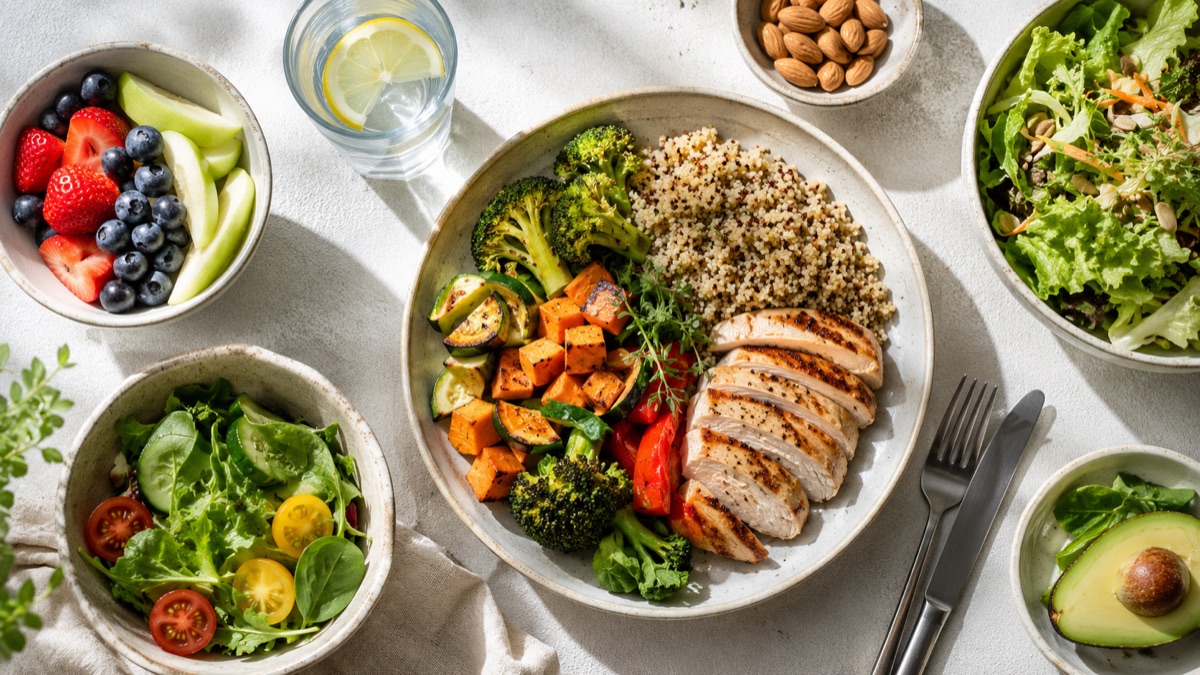
A common starting point is roughly 0.6 to 1 gram of protein per pound of your goal body weight each day, spread across meals, though your physician can set a target that fits your health. On a GLP-1 your appetite drops fast, so the real challenge is getting enough protein in, not too much. Prioritizing it at every meal is how you protect muscle while you lose fat.
Why protein matters most on a GLP-1
Any rapid weight loss can take muscle along with fat, and muscle is what keeps your metabolism active and your results durable. Protein is the nutrient that signals your body to hold on to that muscle, especially when paired with some resistance training. Because a GLP-1 reduces how much you want to eat overall, protein is often the first thing to slip, which is exactly backward from what your body needs.
Ready to start?
$199 Skeptics' Trial, see if it works for you
One-time $199 trial with physician evaluation and, only if a prescription is approved and the dispensing pharmacy can fulfill it for the patient's location, one month of compounded semaglutide; the pharmacy confirms packaging and shipping details before fulfillment. No long-term commitment. Standard care starts with a $119 physician review; medication is separate, and compounded semaglutide programs start at $166/month.
Start the 30-day trialThink of protein as the priority on your plate. If you only have room for a small meal, building it around a protein source does the most to keep you strong, steady, and feeling full longer.
How to hit your target on a smaller appetite
When a few bites fill you up, hitting a protein goal takes a little strategy rather than larger portions. The goal is to make each small meal count.
- Eat protein first. Start meals with the protein so it gets in before your appetite fades.
- Spread it out. Aim for protein at each meal rather than one large serving, which your body uses more efficiently.
- Keep easy options ready. Greek yogurt, eggs, cottage cheese, beans, tofu, fish, and chicken are simple to reach for.
- Use a shake when needed. A protein shake or smoothie can be easier to finish on days when solid food feels like too much.
- Stay hydrated. Drinking enough water and minding electrolytes helps with both appetite and digestion.
Can you eat too much protein?
For most healthy adults, the practical risk on a GLP-1 is eating too little, not too much. That said, very high protein intake is not right for everyone, particularly if you have kidney concerns or another medical condition, which is why a personalized target matters more than a generic number from the internet.
This is where supervision helps. A physician-supervised plan can set a protein goal built around your health, your medication, and your goal weight, so your eating protects your muscle instead of leaving you undernourished or fatigued. When in doubt, talk to your physician before making big changes.
What you can start today at New Hope Weight Loss
After a one-time $119 medical review with Dr. Sharma, eligible patients begin physician-supervised compounded semaglutide from $166 a month or compounded tirzepatide from $233 a month, with a $199 one-month Skeptics' Trial. Compounded semaglutide and tirzepatide are not FDA-approved or brand-identical and have not undergone FDA premarket review for safety, effectiveness, or quality. Results vary. Any prescription depends on individualized medical review and lawful pharmacy fulfillment for the patient's location. In person in Orange County and by telehealth for eligible patients in California.
Frequently asked questions
How much protein should I eat on a GLP-1?
A common starting point is about 0.6 to 1 gram of protein per pound of your goal body weight per day, spread across meals. Because a GLP-1 reduces your appetite, the harder part is reaching that amount rather than overdoing it. Your physician can set a target that fits your health and goals.
Why is protein so important on a GLP-1?
Rapid weight loss can cost you muscle along with fat, and protein is the nutrient that helps your body hold on to that muscle. Keeping muscle protects your metabolism and makes your results more durable. Pairing protein with some resistance training works best.
What if I cannot eat enough protein because I am not hungry?
This is common on a GLP-1. Try eating protein first at each meal, keeping easy options like Greek yogurt or eggs on hand, and using a protein shake on days when solid food feels like too much. Small, protein-focused meals add up over the day.
Can I eat too much protein on a GLP-1?
For most healthy adults the bigger risk is eating too little. Very high protein intake is not right for everyone, especially with kidney or other medical concerns, so a personalized target from your physician is safer than a one-size-fits-all number.
Do I need protein shakes or supplements?
Not necessarily, since whole foods like chicken, fish, eggs, beans, and dairy can cover your needs. Shakes are simply a convenient option when your appetite is low and finishing a full meal feels hard. Whole food or shake, the goal is reaching your daily target.
This article is informational only and not medical advice. Speak with a licensed physician before starting or changing any GLP-1 therapy. Individual results vary. New Hope Weight Loss is a physician-supervised medical weight loss clinic in Costa Mesa, CA. Eligibility for treatment is determined during the medical consultation. Compounded semaglutide and compounded tirzepatide are not the same products as Wegovy®, Ozempic®, Mounjaro®, or Zepbound®.